We named this company Partners in Design because we mean it literally. Our clients aren't buying a service — they're joining a process. The best work we've ever done happened when the people closest to the problem were in the room shaping the solution alongside us. That's not a tagline. It's the only way we know how to work.





.png)











The best design doesn't give people an experience.
It gives them ownership.
Philosophy
We design with people, not for them.
That distinction sounds small. It changes everything. When the people a project is meant to serve are actually part of building it, something shifts. They don't just approve the final product — they understand it, they trust it, and they carry it forward long after we're gone.
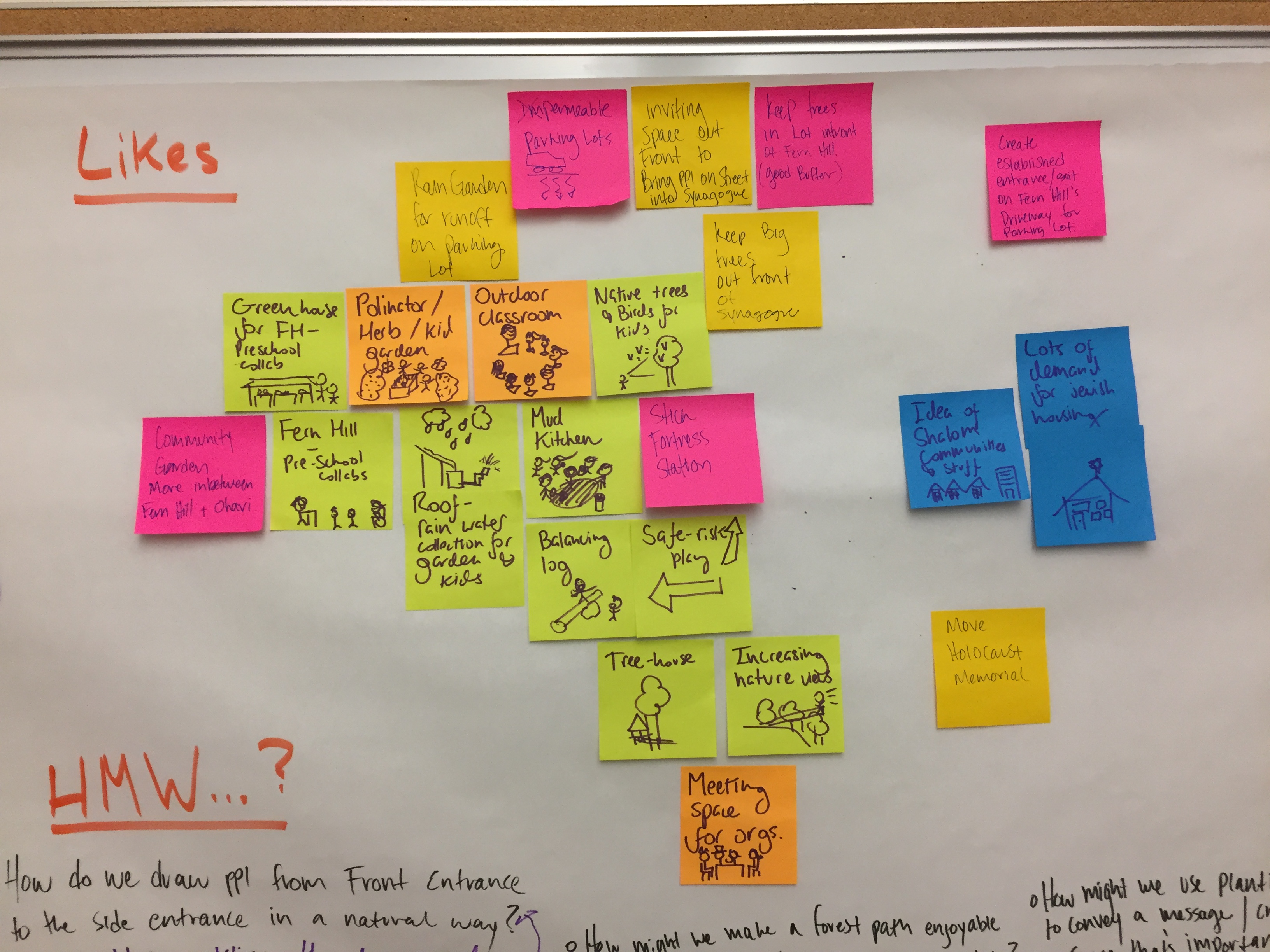
This is why a student dinner program we helped create is still running six years later with its own farm plot. It's why a medical device we invented is still standard of care over a decade after it was designed. It's why a community plan we co-authored with a synagogue was built within months and shaped their ten-year vision. We didn't hand these organizations a deliverable. We helped them build something they were proud to own — and they kept building.
We call this capacity building. Our aunt called it good public health.
Our North Star
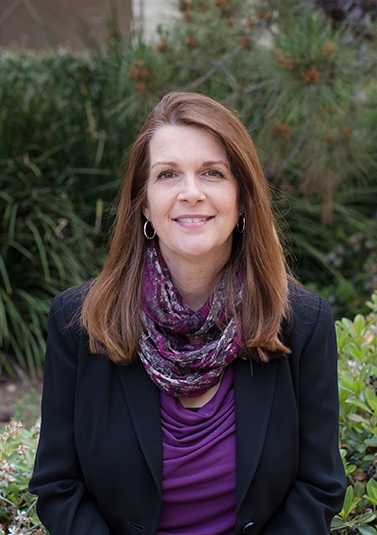
Dr. Katherine Lyon Daniel spent her career at the CDC designing public health campaigns that reached millions — from her folic acid initiative that prevented thousands of birth defects, to "Learn the Signs. Act Early," which changed how parents and pediatricians identify developmental delays around the world. She was the CDC's Associate Director for Communication. By conservative estimates, her work meaningfully improved the lives of at least 500k-2m people. The CDC Foundation named an award after her.
She was also Frankie's aunt. And her philosophy — empathy paired with research rigor, always designing with the communities you're trying to reach, building people's capacity rather than their dependency — is the foundation Partners in Design was built on.
Kathy's favorite Helen Keller quote: "I long to accomplish a great and noble task, but it is my chief duty to accomplish humble tasks as though they were great and noble."
That's how we try to work. Whether the project is a website campaign or a business card, a medical device or a community dinner — the rigor is the same, the care is the same, and the people it's for are always in the room.
"What is an ocean but a multitude of drops."
750+
Professionals trained in design thinking
2
Medical devices in clinical use
3k+
Students co-hosting community meals
634
Kids building robots annually at The RoboHub
6+
Years Hillel Fresh has been running — without us
10+
Years the Ovarian X-Ray Shield has been standard of care at Columbia University Medical Center's Children's Hospital of New York

Frankie Day-Lyon started asking inconvenient questions early. As a patient safety researcher at Columbia University Medical Center, he noticed that female pediatric patients weren't getting the same radiation protection as males — because nobody had designed an X-Ray shield for them. So he designed one. It's been protecting patients for over a decade. That experience taught him something that would shape everything after: the biggest design problems aren't technical. They're about who gets included in the process and who gets left out.
At UVM, Frankie helped make the university one of nine pilot campuses — alongside Princeton, Stanford, and USC — for a new approach to organizational design in Jewish communities. He co-wrote a mission statement that still guides UVM Hillel: "to create a community where every student feels welcomed, wanted, and cared about." Then he built Hillel Fresh — free, locally sourced Shabbat meal kits designed not for the students already showing up, but with the ones who'd never walked through the door. Thousands of people were given the resources and confidence to create their own community gatherings. Six years later, the program is self-sustaining and has its own farm plot. He graduated top of his class with the Keith M. Miser Student Leadership Award and told the class of 2018: "Never underestimate the possibilities that can come from a room full of hopeful strangers."
Partners in Design grew from that foundation — deep ethnographic research, iterative prototyping, and a stubborn belief that the people closest to a problem are the best equipped to solve it if you give them the right tools. Today the team works across healthcare, nonprofits, education, trades, and community organizations. The thread is always the same: start with the humans. Design with them. Expand together. And build something they're proud to put their name on — because they helped create it.
Come on over, we'd love to say Hello!
Maine, Boston, NYC, Toronto, & Beyond!
917-740-1604
frankie@PartnersIn.design